
Don't Miss a Beat
Meet Jeff
Jeff loves to play the drums with his band. They’ve even played a few shows at the local pub. But despite Jeff trying his hardest to keep the band playing on the beat, his heart had other ideas.
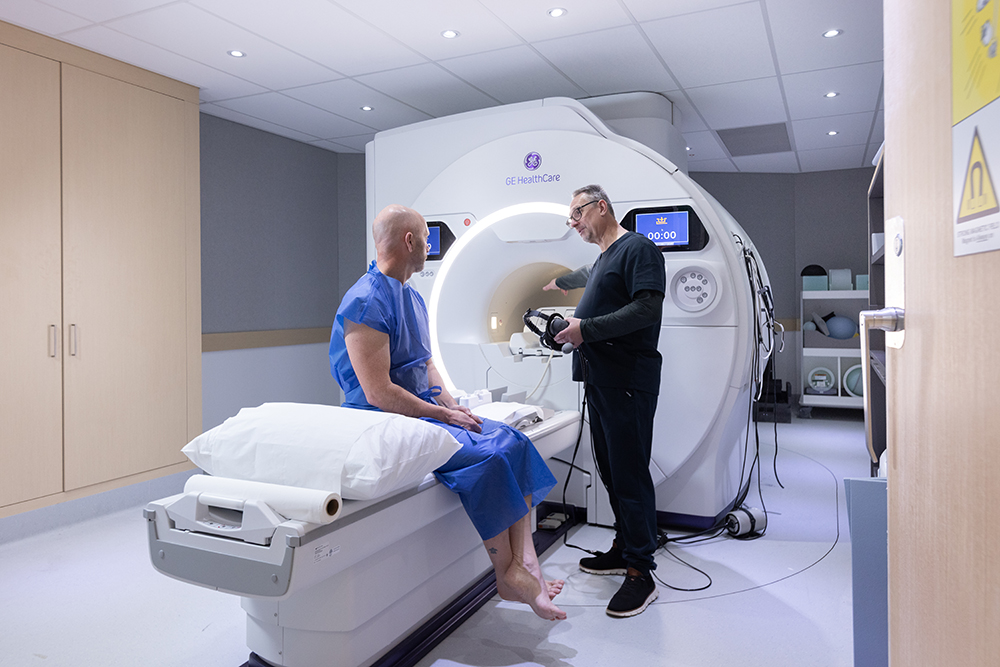
Some chest pain, a pounding heart, dizziness and shortness of breath saw Jeff headed to his doctor to get some answers. His doctor sent him off for a scan to see everything that was going on inside Jeff’s heart.
Like many Aussies (approximately 600,000*), Jeff was diagnosed with coronary heart disease. A year on from his diagnosis, and Jeff is still playing with the band (better than ever).
Now, he wants you to learn more about keeping your heart healthy, and how to tell if something’s wrong, so you can get the help you need to continue living life to the beat of your own drum.
Coronary heart disease is just one of many things that can go wrong with your heart. Which is why Jeff thinks it’s so important you understand the symptoms and factors that increase your risk of cardiac conditions. And if you notice something is not quite right, go see your doctor.
Because your heart is too important.
Please note: Jeff is a fictional character inspired by the thousands of patients we see each year.
*Australian Institute of Health and Welfare

What Jeff wants you to know about never missing a beat
Are you a Jeff? Do you know a Jeff?
Experiencing symptoms? At an increased risk? Talk to your doctor about your heart health and how you can stay in tune.
Risk Factors**
Lifestyle
- Smoking
- Diet
- Being inactive
- Being over or under weight
- Heavy alcohol consumption
Medical Conditions
- High blood pressure
- High cholesterol
- Diabetes
- Mental health issues
- Previous heart issues during pregnancy including high blood pressure, preeclampsia or gestational diabetes
Genetics
- Family history of heart disease
- Ethnicity – people of Aboriginal, Torres Strait Islander, South Asian, Middle Easter, Maori or Pacific Islander descent are at a higher risk of developing heart disease
Signs & Symptoms**
Chest
- Chest pain
- Tightness or heaviness in the chest
- Racing heart (palpitations)
- Heart burn-like feeling (that isn’t heart burn)
- Shortness of breath
Stomach
- Nausea and/or vomiting
- Bloated stomach
- Loss of appetite
Arms/Legs etc.
- Pain or discomfort in your back, neck, shoulders or arms
- Swollen ankles/legs
General
- Difficulty exercising
- Tiredness or weakness
- Sweating more than normal
- Feeling dizzy or lightheaded
- Discomfort when lying down
*Australian Institute of Health and Welfare
Our Cardiac scans
How we find the issue
Your doctor might refer you to get some medical imaging done to better understand and diagnose any issues with your heart.
CT Coronary Arteries
A CTCA is a CT scan that takes pictures of the arteries, to find any issues that may lead to a heart attack.
Myocardial Perfusion (MIBI)
A Myocardial perfusion scan shows how well blood is flowing through the heart to see if there are any major blockages that may lead to coronary artery disease.
Echocardiography
An echocardiogram (echo) is an ultrasound of the heart.
It provides real-time images of the structures and muscles of the heart.
CT Calcium Score
The more calcium in your heart means higher risk of heart disease.
A CT Calcium score test measures the level of calcium in the heart to estimate your risk of cardiovascular disease.
Your Cardiac imaging Specialists
How we can help
Experiencing symptoms? At an increased risk? Talk to your doctor about your heart health and how you can stay in tune.
Experience The X-Ray Group’s exceptional care.
-
Convenience
Several clinics located across the Murray region
-
Advanced technology
State-of-the-art CT, ultrasound and nuclear medicine machinery
-
Expert Team
Specialised cardiac radiologists supported by leading nuclear medicine physicians, radiographers and sonographers
-
Fast, accurate answers
Answers when you need them most, powered by expertise, care and the latest technology